
Introduction to OOPs
What Is Object-Oriented Programming?
Object-Oriented Programming (OOP) is a programming paradigm that models real-world entities using software objects. It helps in building large, complex, and real-life applications by organizing code around objects rather than just functions.
Python supports multiple paradigms such as procedural, functional, and object-oriented programming, but OOP is especially effective when applications involve real-world entities and interactions.
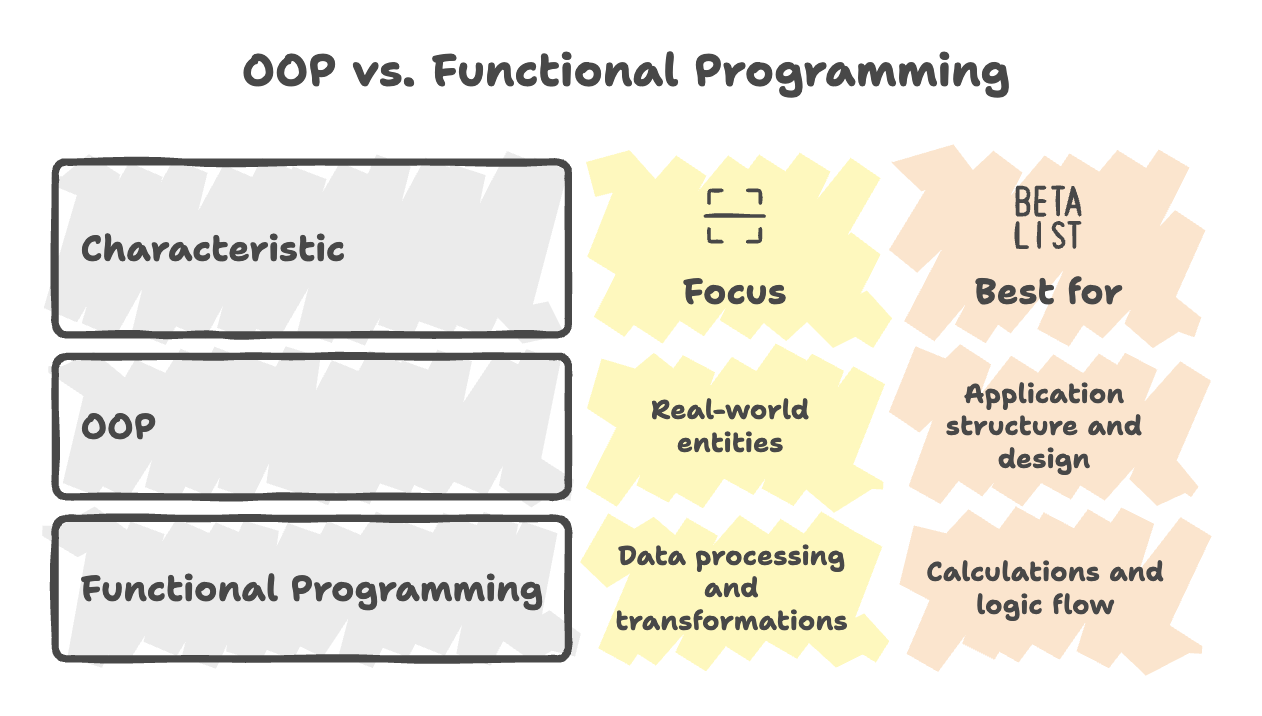
Why OOP Is Important for Real-Life Applications
Real-world problems naturally revolve around objects like employees, phones, vehicles, bank accounts, or remote controls.
OOP helps by:
- Representing real-world entities directly in code
- Grouping related data and behavior together
- Making applications easier to understand, maintain, and extend
- Supporting large-scale software development
For example:
- An Employee has properties like name and salary, and behaviors like work or get_salary
- A Remote Control has buttons (data) and actions like change_channel or increase_volume
Objects: The Building Blocks of OOP
An object is a real-world entity represented in code.
Each object has:
- Properties (Attributes): Data or state
- Behaviors (Methods): Actions the object can perform
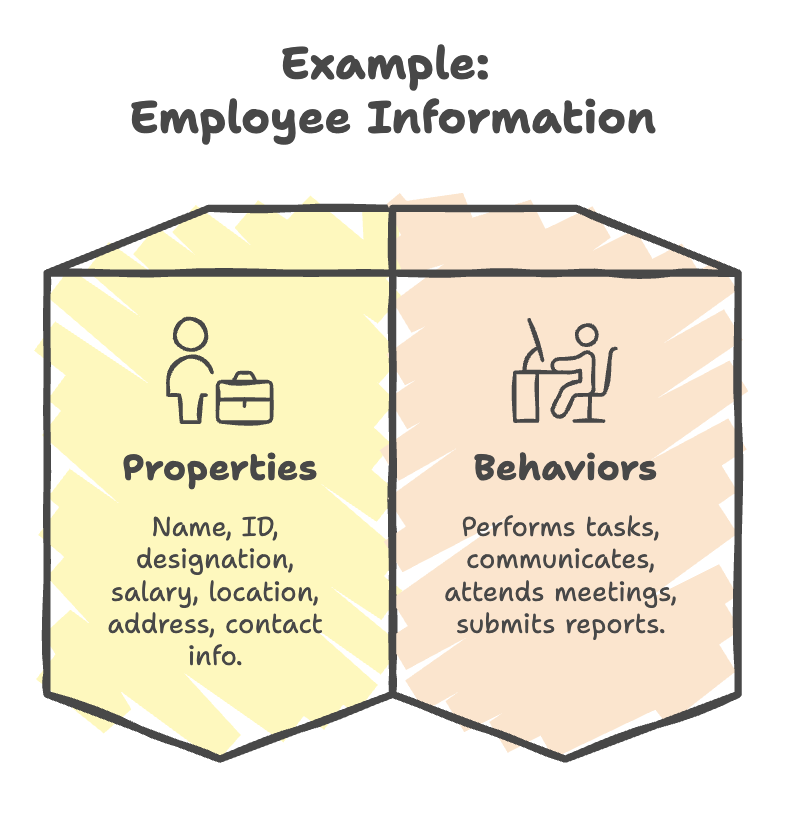
Objects combine data and functionality into a single unit, improving clarity and organization.
Class: The Blueprint of Objects
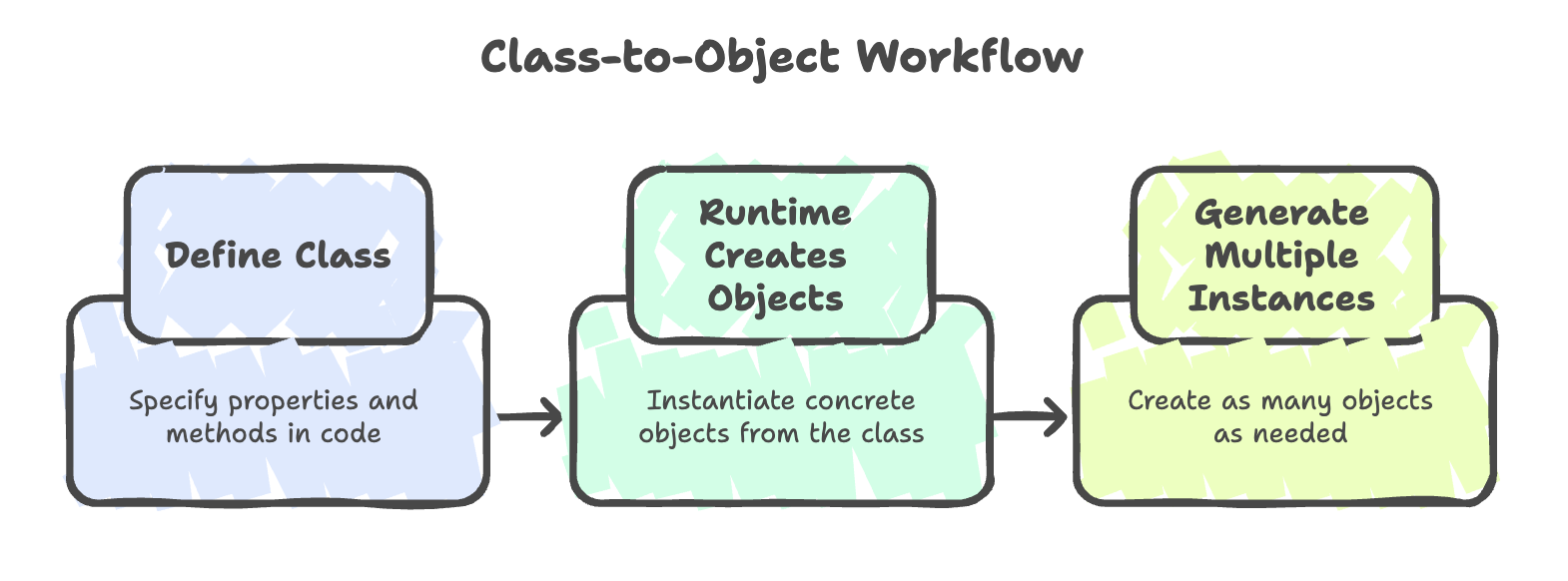
A class is a blueprint or template used to create objects.
- It defines what properties and behaviors objects will have
- Objects created from a class are called instances
- Multiple objects can be created from the same class at runtime
Example:
- Class:
Remote - Objects: TV remote, AC remote, music system remote
Structure of a Class
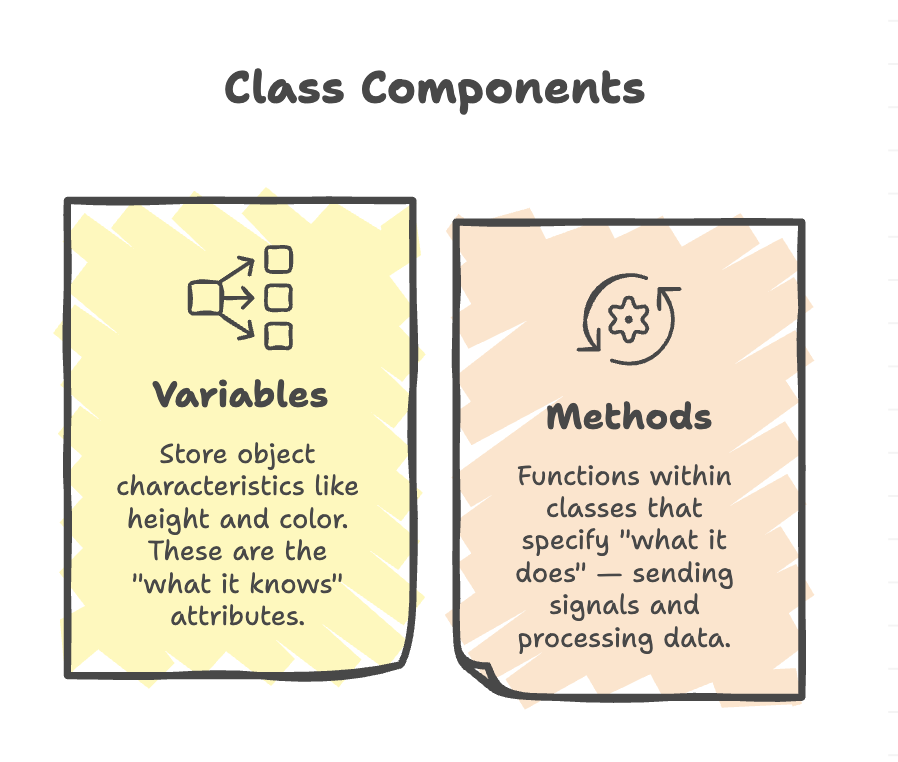
In OOP terminology:
- Functions inside a class are called methods
- Variables inside a class are called attributes
Core OOP Architecture
At runtime:
- Python uses a class definition to create objects
- Each object maintains its own copy of data
- All objects share the same method definitions
This allows efficient memory usage and consistent behavior across objects.
Encapsulation: Data Protection Mechanism
Encapsulation is the process of:
- Bundling data (attributes) and behavior (methods) inside a class
- Restricting direct access to internal data
- Allowing interaction only through controlled methods
Benefits:
- Improves data security
- Prevents accidental modification
- Enforces clean and safe design
Summary
- OOP models real-life problems using objects.
- Objects combine data and behavior.
- Classes act as blueprints for creating objects.
- Encapsulation improves security and design.
- OOP is essential for scalable, maintainable Python applications.
- Functional and OOP paradigms work best together.
Written By: Muskan Garg
How is this guide?
Last updated on